
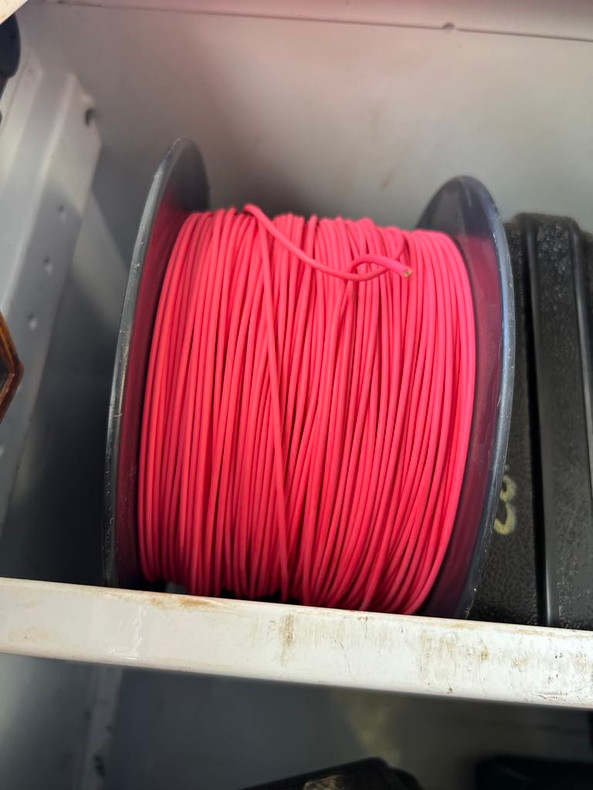
Why “high‑quality parts” should be the baseline, not the exception
- Reliability drives reputation – When every component meets a rigorous standard, the end product fails less often. Fewer warranty claims translate into happier customers and stronger brand loyalty.
- Cost savings over the long run – Defects are expensive. Re‑working, scrap, and field service all add up. Investing upfront in tighter tolerances, better materials, and robust testing pays dividends in reduced total‑ownership cost.
- Regulatory and safety pressure – Many industries (automotive, medical, aerospace) now require documented quality‑management systems. Treating high quality as the default keeps you ahead of compliance audits.
- Competitive differentiation – In crowded markets, a reputation for “built to last” can justify premium pricing and open doors to partnership opportunities.
Final thoughts
Making high‑quality parts a standard isn’t a one‑off project; it’s a cultural shift backed by concrete tools, data, and disciplined processes. When every stakeholder—from the CEO to the shop‑floor technician—understands that quality is the cheapest way to succeed, the organization naturally gravitates toward fewer defects, lower costs, and stronger market positioning.
So ask yourself: What small change can I champion today that will push my parts from “good enough” to “industry‑defining”?